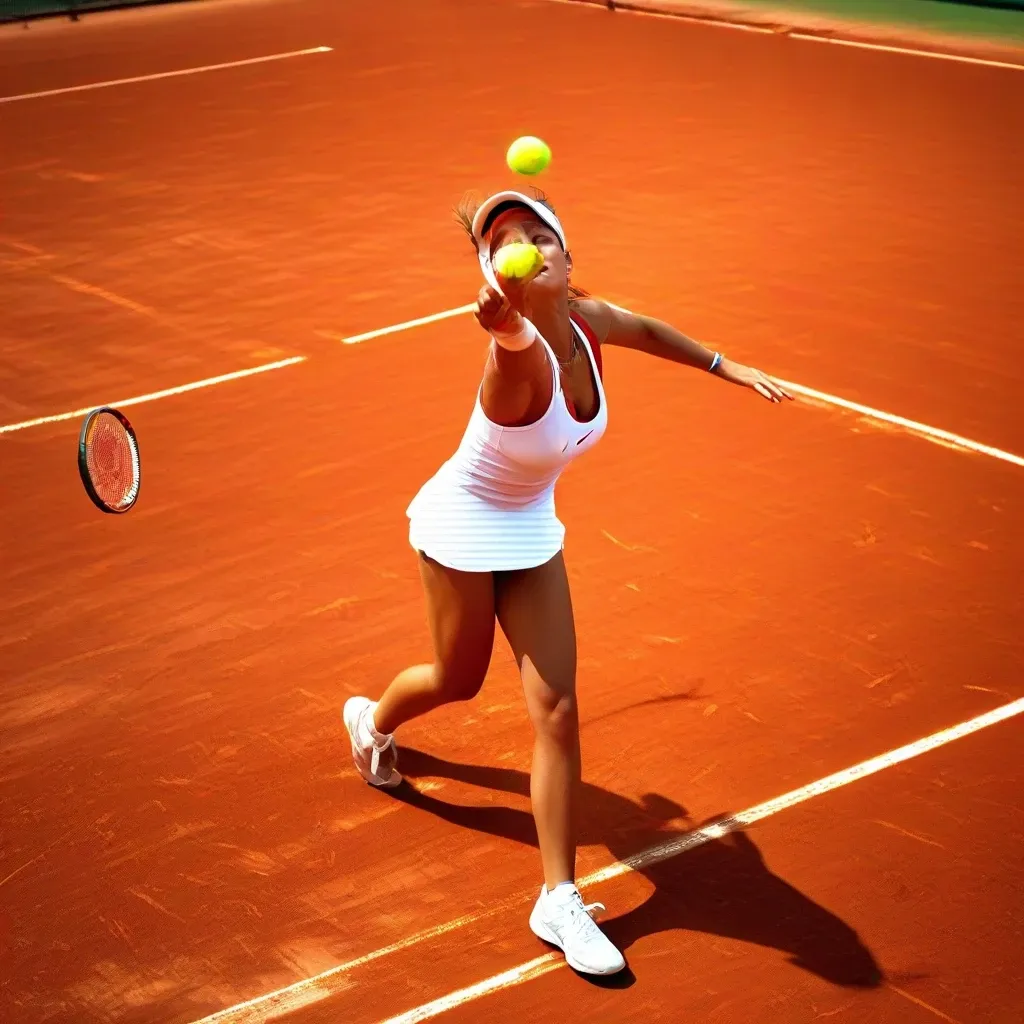
The air crackles with anticipation. The red clay dust swirls under the Parisian sun. This is the WTA Roland Garros Final Four – a crucible where dreams are forged, and legends are made. It’s more than just tennis; it’s a high-stakes drama played out on the most demanding surface in the game. We witness a clash of styles, a test of wills, and ultimately, a display of the mental fortitude required to conquer a Grand Slam.
The path to this stage is brutal, a gauntlet that thins out the field, leaving only the most prepared and resilient competitors. Each player arrives with a unique narrative, a personal quest driving them forward. The challenge of clay demands patience, precision, and an unwavering belief in one’s strategy.
Roland Garros is unlike any other tournament. The unpredictable bounces, the grueling rallies, and the constant need to adapt separates champions from contenders. In the following analysis, we will extract key lessons from the strategies and performances of these elite athletes, providing insights applicable to improving your own tennis game. Prepare to elevate your understanding and unlock new levels of performance, inspired by the very best in the world.
The Road to the Semifinals: Key Matchups and Turning Points
The journey to the Roland Garros semifinals is a gauntlet of skill, strategy, and mental toughness. Each player’s path is unique, carved out through pivotal matches and defining moments that showcase their resilience and tactical acumen. Let’s dissect the journeys of our semifinalists, pinpointing the key matchups, strategic masterstrokes, and turning points that propelled them to the final four.
Player A: Iga Swiatek’s Path
Iga Swiatek’s path to the semifinals was marked by dominant performances and strategic adaptability. One notable match was against Anastasia Potapova, where Swiatek showcased her aggressive baseline game, dictating play with heavy topspin and precise shot placement. A turning point came in the second set when Potapova attempted to disrupt Swiatek’s rhythm with slice shots, but Swiatek quickly adjusted by moving forward and attacking the net, neutralizing Potapova’s strategy and regaining control of the match.
Player B: Coco Gauff’s Path
Coco Gauff navigated a challenging draw with a blend of power and finesse. Her third-round encounter with Dayana Yastremska proved to be a crucial test. Gauff’s serve, a weapon she has honed meticulously, was instrumental in securing key points. A significant turning point occurred during a tense tiebreaker in the second set. Down a mini-break, Gauff unleashed a series of powerful serves and aggressive returns, shifting the momentum and ultimately winning the match. This match highlighted her mental fortitude and ability to perform under pressure.
Player C: Jasmine Paolini’s Path
Jasmine Paolini’s surprise run to the semifinals was characterized by her relentless court coverage and strategic use of angles. Her match against Elina Avanesyan showcased Paolini’s agility and tactical intelligence. A key moment was when Avanesyan began targeting Paolini’s backhand. Paolini responded by varying her shot selection, using cross-court angles and slices to disrupt Avanesyan’s rhythm and create opportunities to attack. This tactical adjustment proved decisive, allowing Paolini to gain the upper hand and secure a hard-fought victory.
Player D: Mirra Andreeva’s Path
Mirra Andreeva, the youngest player in the semifinals, demonstrated remarkable composure and adaptability throughout the tournament. Her fourth-round match against Varvara Gracheva was a testament to her strategic maturity. After losing the first set, Andreeva made adjustments to her game. She started using more topspin on her forehand, pushing Gracheva deeper behind the baseline. This change in strategy allowed Andreeva to control the rallies and eventually wear down her opponent, showcasing her capacity to learn and adapt during high-pressure situations.
Decoding the Clay: Tactical and Technical Demands
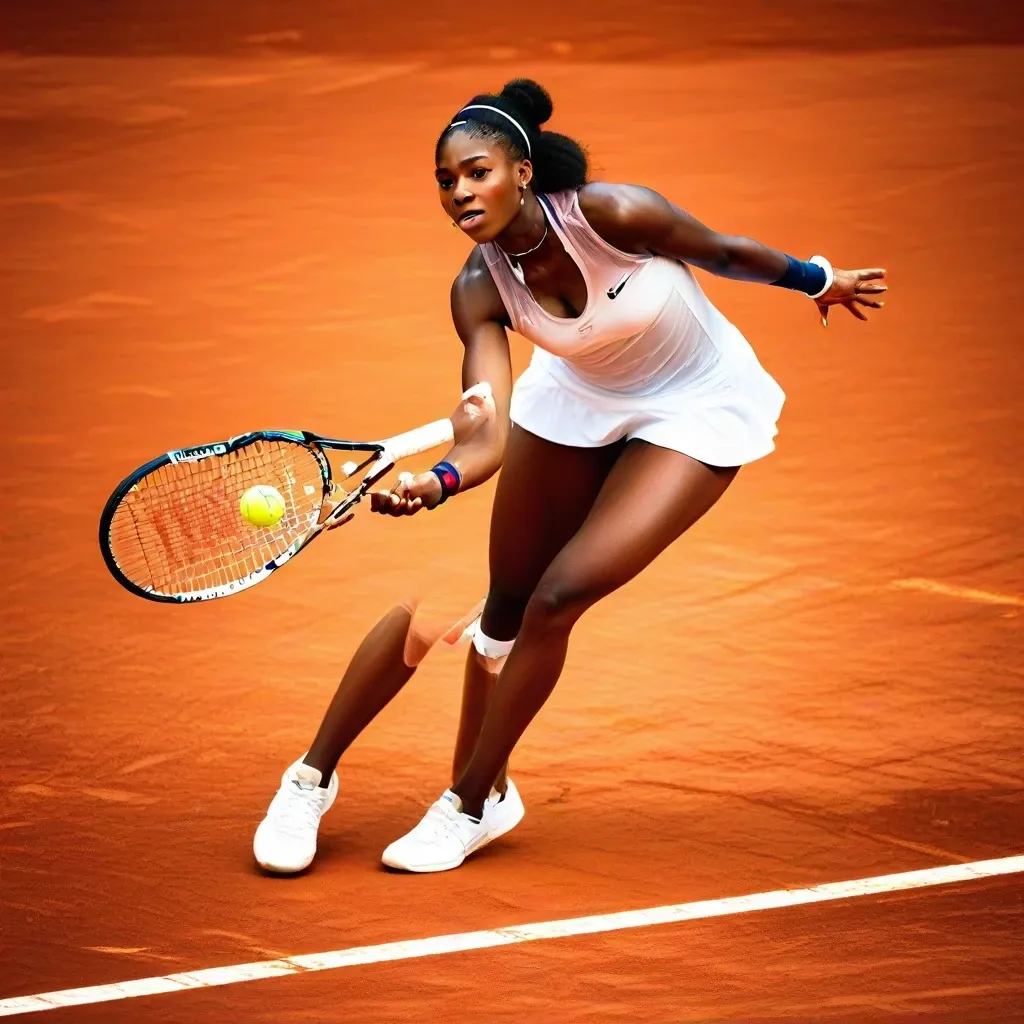
Clay courts present a unique set of challenges that demand a specialized approach to tennis. Unlike hard courts or grass, clay rewards patience, spin, and tactical ingenuity. To truly excel on this surface, players must adapt their movement, shot selection, and court positioning.
Mastering Movement on Clay
Footwork is the cornerstone of clay-court prowess. The ability to slide effectively, both offensively and defensively, is crucial. Players should focus on short, choppy steps to maintain balance and control. A controlled slide allows for wider court coverage and the ability to recover quickly after hitting a shot. Remember to practice your footwork drills. Aim for controlled slides, maintaining a low center of gravity, and recovering efficiently. With dedication, you can master the art of clay-court movement and elevate your game to new heights.
Strategic Shot Selection
On clay, shot selection becomes even more critical. High-bouncing balls are your weapon. Generating heavy topspin allows you to dictate the pace and trajectory of the rally. Use angles to disrupt your opponent’s rhythm and open up the court. Drop shots become particularly effective on clay, forcing your opponent to rush forward and potentially hitting an awkward shot. The key is to understand when to attack and when to play defensively, building points patiently and waiting for the right opportunity.
The Art of Spin
Spin is king on clay. Topspin is essential for controlling the ball, creating higher bounces, and pushing your opponent back. Slice can be used defensively to disrupt rhythm, buy time, or change the direction of the ball unexpectedly. Mastering both topspin and slice allows you to dictate the pace and trajectory of the rally, keeping your opponent off balance and creating opportunities to attack.
Mind Games: The Psychological Battleground
The Roland Garros Final Four isn’t just a test of physical prowess; it’s a brutal arena where the mind reigns supreme. The psychology of tennis at this level is a fascinating blend of strategy, pressure management, and unwavering emotional resilience. Success hinges not only on powerful serves and precise groundstrokes but also on the ability to master the inner game. Players must cultivate a rock-solid mindset to navigate the intense scrutiny, deafening crowds, and the crushing weight of expectation. Mental toughness becomes the ultimate differentiator, separating contenders from champions. It’s about embracing the chaos, maintaining focus amidst distractions, and exhibiting unwavering self-belief even when facing adversity.
How to Handle Pressure
Consider the case of a player facing a break point in a crucial set. The crowd roars, the opponent senses vulnerability, and the weight of the moment threatens to overwhelm. A player who can handle this pressure might employ visualization techniques, mentally rehearsing successful plays to regain composure. Another could focus on a pre-serve routine, shutting out the external noise and centering on the immediate task. Some players even use positive self-talk like, “I’ve trained for this,” to overcome doubt. The ability to compartmentalize pressure, transforming it into fuel rather than a burden, is the hallmark of a mentally strong player.
How to Handle Setbacks
Setbacks are inevitable. A missed shot, a bad call, or a sudden shift in momentum can derail even the most composed player. The key lies not in avoiding these moments but in how one responds. Imagine a player losing a hard-fought first set. A mentally resilient player won’t dwell on the loss but will instead analyze what went wrong, adjust their strategy, and refocus on the next set. They will reframe the setback as a learning opportunity, allowing them to adapt and improve, proving that resilience in the face of adversity defines their journey.
Predicting the Finals: Analyzing Player Form and Potential Outcomes
The air crackles with anticipation as the finals approach. Predicting the outcomes is a complex equation involving current player form, historical head-to-head records, and the subtle nuances of court conditions. The mental game is just as crucial as physical prowess. Some players thrive under pressure, while others falter. Predicting who will rise to the occasion is part art, part science. Expect strategic adjustments throughout these high-stakes matches, showcasing top-tier tennis. Yet, tennis consistently throws curveballs. Upsets happen, strategies backfire, and even the most meticulously prepared players can have an off day.
Novak Djokovic vs. Carlos Alcaraz: Head-to-Head Analysis
Djokovic vs. Alcaraz is a clash of generations and playing styles. Djokovic’s experience and mental fortitude are undeniable assets. He is a master of adapting his game. Alcaraz, with his explosive power and fearless approach, presents a unique challenge. Their head-to-head record is still relatively limited, but each encounter has been a spectacle. Analyzing their previous matches reveals tactical patterns and psychological edges that could dictate the final’s outcome. It’s a chess match played at lightning speed.
Jannik Sinner vs. Daniil Medvedev: Head-to-Head Analysis
Sinner vs. Medvedev promises a contrast in styles. Sinner’s aggressive baseline game and booming groundstrokes will test Medvedev’s defensive skills and counter-punching abilities. Their head-to-head record reveals a series of closely contested matches, often decided by tiebreakers and momentum swings. The key will be who can control the tempo and dictate play. Sinner will likely look to shorten points with his powerful hitting, while Medvedev will aim to extend rallies and frustrate his opponent into errors.
Expert Insights: Strategies Inspired by the Final Four Matches
The electrifying energy of the Final Four isn’t just for spectators; it’s a masterclass in high-stakes tennis strategy that players of all levels can learn from. Forget complicated jargon; we’re breaking down winning formulas into actionable tips you can use on the court, starting today. These are the tactical nuggets you can apply immediately to boost your overall game and performance.
Improving Your Clay Court Movement
Clay courts demand a unique dance, a mastery of sliding and recovery. Inspired by the pros, focus on controlled slides into your shots, especially on the wider balls. Practice “ghosting” – simulating shots and slides without the ball – to build muscle memory and improve your balance. Another key is the shuffle step. Instead of running, use quick, small steps to adjust your position efficiently. Aim to stay low and centered, like Nadal, and you’ll find yourself covering the court with greater ease, turning defense into offense.
Tactical Analysis for Your Own Game
During the Final Four, the players didn’t just blast winners, they constructed them. Borrow this approach by focusing on patterns of play. Identify your opponent’s weaknesses – a shaky backhand, a tendency to rush the net – and exploit them relentlessly. If your opponent loves to dictate from the baseline, try slicing the ball short and forcing them to approach. Conversely, if someone chips and charges, practice hitting passing shots deep to the corners. Recognize when to go for the big shot and when to play it safe for ultimate control.
Match Preparation Tactics
The pros don’t just show up and swing; they meticulously prepare. Emulate their focus by establishing a pre-match routine. Visualize success: picture yourself hitting clean shots, serving with power, and maintaining composure under pressure. Create a detailed plan: how to handle specific opponents and what adjustments to make when it is needed. Finally, manage your nerves through deep breathing or meditation. A calm, confident mindset, honed through focused preparation, gives you a huge advantage before you even step onto the court to win.
Conclusion
The Roland Garros Final Four delivers unforgettable moments that resonate far beyond the court. Unexpected upsets, strategic brilliance, and sheer determination shaped this year’s semifinalists’ journeys. From tactical adjustments to mental fortitude, each player showcased unique elements essential for success at the highest level of tennis.
These matches provide a masterclass in tennis strategy, highlighting the importance of adapting to opponents and leveraging strengths. The insights gained from analyzing these performances can be invaluable for aspiring players and avid fans alike. The Roland Garros Final Four is a testament to the dynamic nature of tennis and a reminder that anything is possible on the Grand Slam stage.
Now, inspired by these remarkable displays of athleticism and strategy, it’s time to take your own game to the next level! Experiment with new tactics and cultivate a champion’s mindset. The world of tennis awaits your exploration, so embrace the challenge and discover the thrill of the sport.