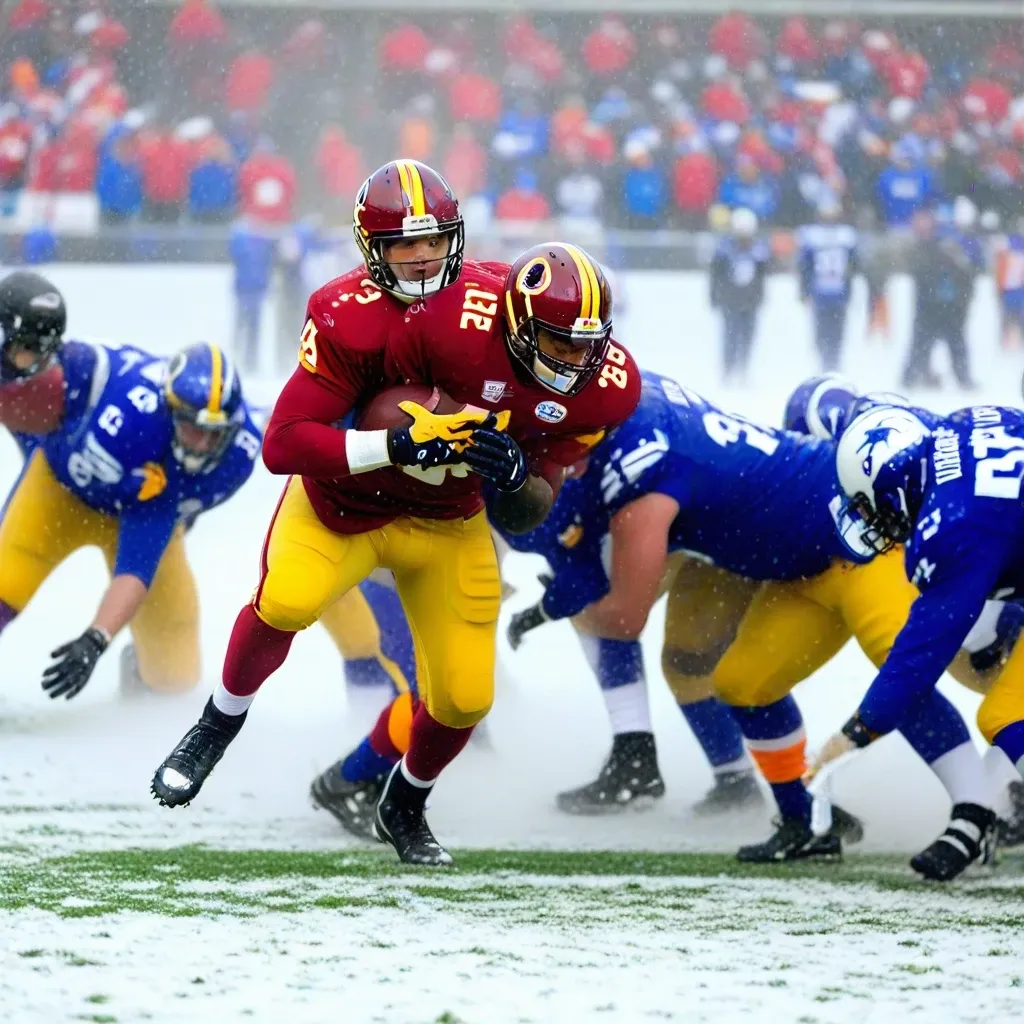
Imagine a stadium blanketed in white, snowflakes swirling like confetti as behemoths clash on the gridiron. The air bites with a frigid intensity, and every breath plumes into a visible cloud. This is NFL snow game territory – where artistry meets aggression, and the unpredictable becomes the norm. Forget the pristine conditions; this is football in its rawest form. Snow games aren’t just another contest; they’re a spectacle, etching themselves into the league’s history with unforgettable plays and legendary performances. They represent a thrilling departure from the ordinary, a chaotic ballet performed on a canvas of ice and snow. Prepare to delve into the strategy, the unforgettable moments, and the sheer magnetism that makes NFL snow games a captivating part of the football season.
The Science of Snow Games
Traction Troubles: How Snow Impacts Player Movement
Snow dramatically alters the dynamics of a football field. The presence of precipitation transforms the carefully manicured grass into a slippery expanse, severely hindering traction. Athletes who depend on precise footwork for running and cutting find their movements compromised. Players subconsciously adjust their footing, shortening strides and reducing the force they apply, diminishing overall athleticism. Running backs struggle to explode through gaps, wide receivers battle to maintain crisp routes, and even the most agile players are susceptible to slipping. This unstable footing introduces an element of unpredictability, leading to unexpected stumbles, altered trajectories, and, unfortunately, an elevated risk of injuries.
Visibility Vortex: The Challenge of Seeing the Play
Beyond the underfoot challenges, snow creates a “visibility vortex” that significantly impacts the passing game. A quarterback’s ability to accurately target receivers is tested when snow obscures the field. A receiver’s route, timing, and hand eye coordination are difficult to execute in blinding conditions. Defensive awareness suffers as well, with players struggling to anticipate plays and react effectively. Passing accuracy diminishes, throwing the perfect spiral becomes infinitely more difficult, and the likelihood of errant passes and interceptions increases dramatically, turning even routine plays into high-stakes gambles. The whiteout conditions reduce the game to a test of grit and chance as much as skill.
The confluence of reduced traction, impaired visibility, and the effect of cold temperatures on equipment creates unpredictable weather conditions. These game conditions make it difficult for the NFL teams to strategize. The weather turns into an opponent as formidable as the team across the line. This unpredictable element adds a layer of chaotic excitement to the game, transforming what might have been a predictable matchup into a memorable spectacle.
Strategic Adjustments for Snowy Conditions
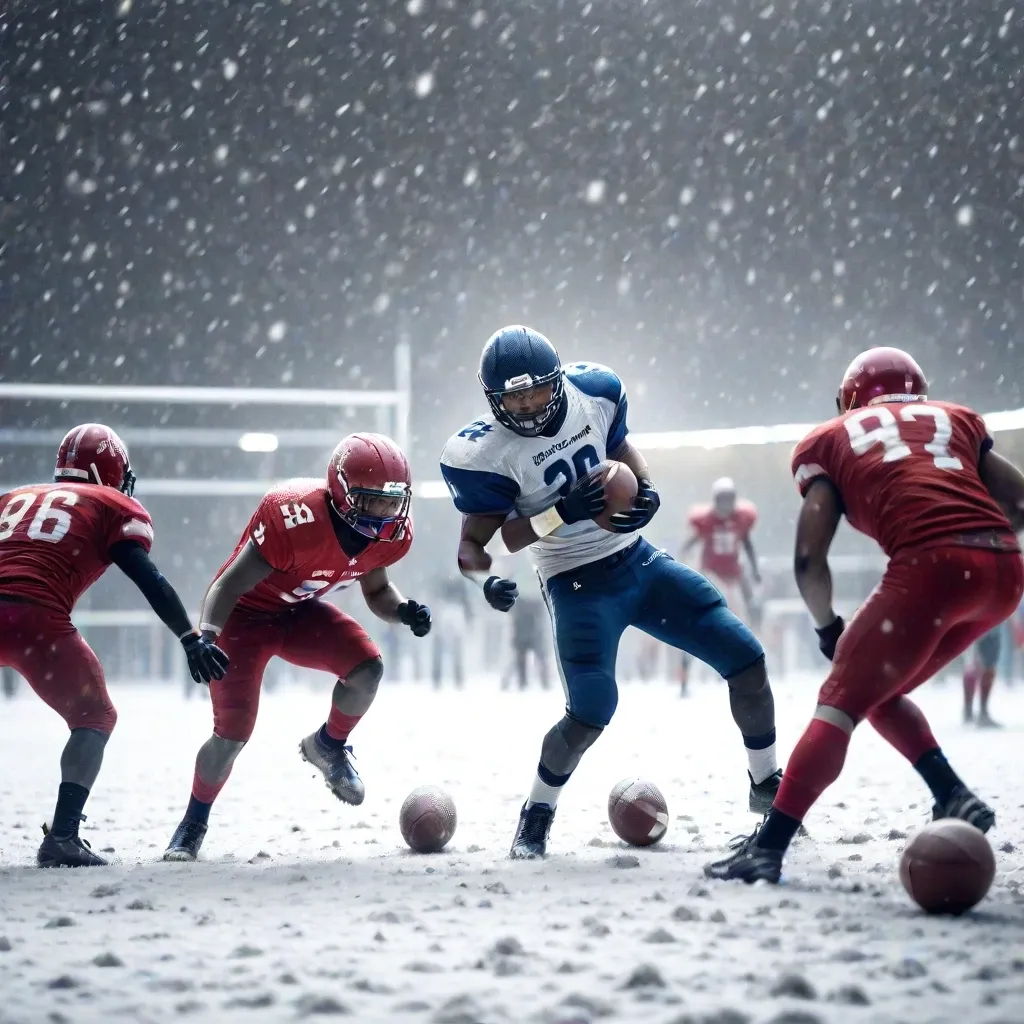
When the gridiron transforms into a snow globe, NFL teams don’t just shiver; they strategically recalibrate. Snow-laden games demand a comprehensive overhaul of the standard game plan, impacting offensive and defensive play-calling. The strategic compass swings heavily towards a ground-and-pound offensive approach, while defenses gear up to fortify against the inevitable surge of rushing attempts. Special teams also become pivotal, where every decision concerning field position is magnified under flurrying skies. Snow introduces a volatile element to the sport, compelling tacticians to adapt to the situation and implement in-game modifications. The wind chill factor intertwines with the visual obstruction caused by snowfall, transforming the stadium into an arena where strategy meets survival. Successful navigation through these wintry clashes requires a blend of brute force and smart play-calling. NFL offenses lean towards maximizing the rushing attack, softening the defensive line and controlling the clock. Playbooks get trimmed to focus on high-percentage runs and short, controlled passes, reducing the chances of turnovers caused by slick ball-handling conditions. A premium is placed on ball security, as fumbles become more frequent and devastating. This tactical recalibration underscores the essence of adaptability in football, an expertise recognized and anticipated by viewers.
Run to Daylight: The Power of the Ground Game
In the tempest of snowflakes, the running game isn’t merely an option; it’s the offensive mantra. Teams lean heavily on their rushing attacks, turning the contest into a battle of attrition. Play-action fakes become crucial, intended to deceive linebackers, creating running lanes. The offensive line transforms into the unsung heroes. The ability to control the line of scrimmage becomes important, turning short-yardage situations into first downs and maintaining possession.
Defensive Fortitude: Stopping the Run in the Snow
As offenses embrace the ground game, defenses respond by beefing up their run-stopping capabilities. Defensive coordinators often deploy heavier personnel, adding extra linebackers or defensive linemen to clog running lanes. Gap control becomes vital. Precise tackling is also a must. Poor footing complicates the simple act of bringing down a ball carrier, turning routine plays into potential breakaway runs. Defenses must maintain discipline, avoid over-pursuit, and wrap up securely to nullify the effectiveness of the ground attack.
Special Teams Showdown: Field Position and the Kicking Game
Special teams take center stage when snow starts falling. The kicking game is severely impacted, with both accuracy and distance compromised by the elements. Punters must adjust their technique to account for swirling winds and slippery surfaces, prioritizing placement over sheer distance. Field goals become an adventure, as kickers battle the elements, and long attempts become riskier. Even something as simple as a kickoff becomes a chess match, with teams weighing the benefits of a touchback versus the potential for a game-changing return. Also, some players use longer cleats.
Player Preparation and Equipment
Braving the bone-chilling conditions of a snow-covered football field demands meticulous player preparation and specialized equipment. It’s a battle against the elements where staying warm isn’t just about comfort; it’s about preventing hypothermia and frostbite and maintaining peak performance. From the locker room to the sidelines, every detail is considered, ensuring players are ready to conquer the cold alongside their opponents.
The sidelines themselves often feature heated benches, providing a crucial respite for players between plays. Quick access to warmth can significantly reduce the risk of cold-related injuries and keep muscles pliable. Hand warmers are also indispensable, offering a concentrated burst of heat to combat numb fingers and maintain dexterity. These seemingly small interventions can make a world of difference in a player’s ability to execute under pressure.
Beyond personal comfort, specialized equipment plays a vital role in enhancing grip and maneuverability on slippery surfaces. The right gear transforms the field from an icy obstacle course into a manageable arena, allowing athletes to focus on the game instead of fighting for their footing.
Gearing Up for the Gridiron Glacier: What Players Wear
Modern cold weather apparel has revolutionized how NFL players combat freezing temperatures. Thermal clothing acts as a crucial base layer, trapping body heat and wicking away moisture. Heated vests, powered by small batteries, provide targeted warmth to the core. Balaclavas shield the face and neck from biting winds, while specialized gloves maintain dexterity without sacrificing insulation. These aren’t just simple garments; they’re meticulously engineered tools designed to improve comfort and performance in the face of adversity, a far cry from the bulky, restrictive gear of the past.
Footwork Fundamentals: Special Cleats for Snow
When snow blankets the gridiron, footwear becomes a critical component of a player’s arsenal. Standard cleats often fail to provide adequate traction on slippery surfaces, hence, a quick swap. Specialized cleats, designed with deeper studs and unique patterns, dig into the snow and ice, granting players enhanced grip. The choice of cleat depends on the type and depth of snow, with some players opting for longer, more aggressive studs for maximum bite. This seemingly minor adjustment can lead to significant improvements in agility and stability, allowing players to cut, accelerate, and change direction with confidence.
Memorable Snow Games in NFL History
A Winter Classic Remembered
The annals of NFL history are filled with tales of gridiron glory, but some games transcend mere competition, etching themselves into football lore through the sheer force of Mother Nature. Among these, snow games hold a special place, transforming the familiar sport into a ballet of perseverance against a backdrop of swirling white. Tactics shift, grip becomes paramount, and the line between victory and defeat blurs with every gust of wind and accumulating inch. These aren’t just games; they’re tests of will, remembered as much for the weather as for the final score.
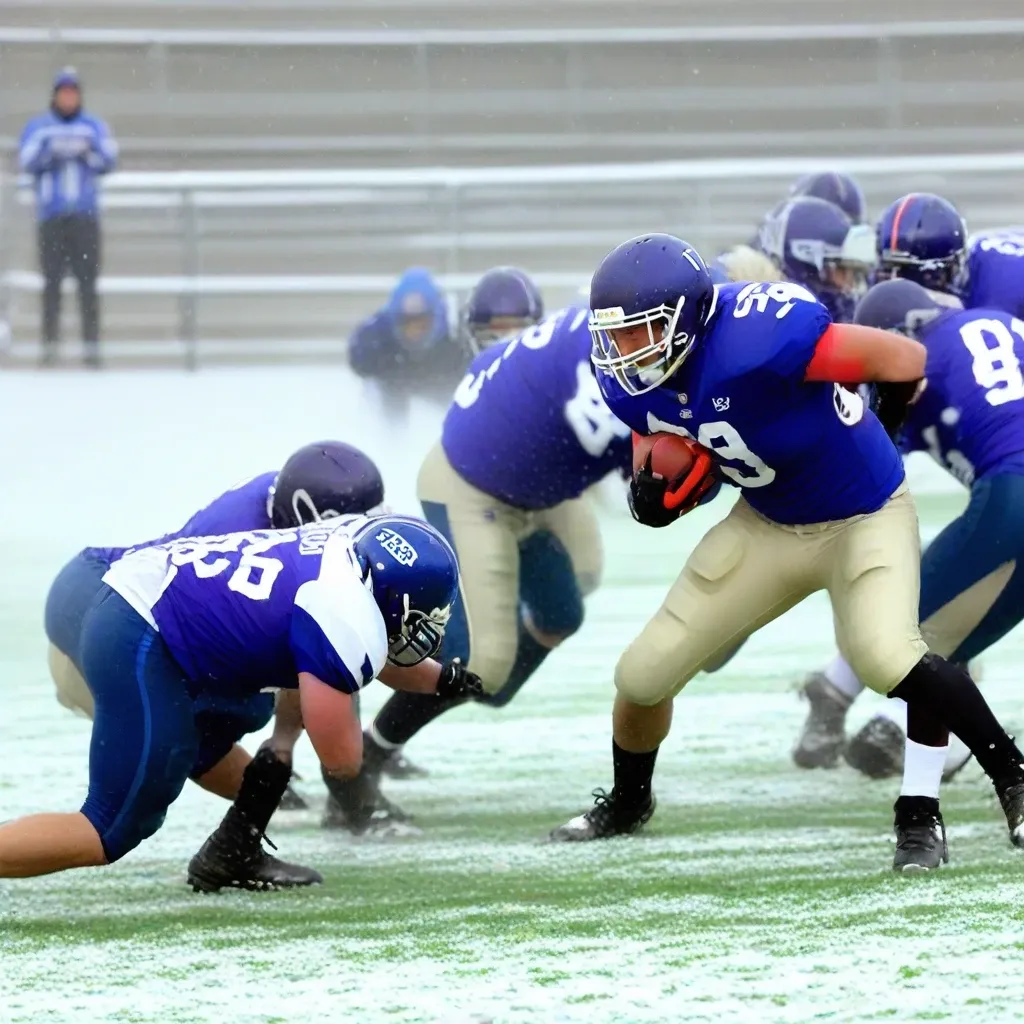
One contest that immediately springs to mind when discussing epic snow battles is the clash between Team A and Team B. Played amidst near-blizzard conditions, the game quickly devolved into a ground-bound slugfest. Passing became a near impossibility, forcing both teams to rely on their running games and short, controlled passes. This dramatically affected the performance of quarterbacks, whose completion percentages plummeted. Statistically, the leading rusher for Team A tallied an impressive 150 yards, showcasing his grit and determination. Fumbles were rampant, turnovers decided the fate of the match. This specific snowy encounter exemplifies how extreme weather can neutralize even the most potent aerial attacks, forcing teams to adapt and rediscover the primal force of smash-mouth football. The final score, a testament to the challenging conditions showed the resilience and the will of the players involved.
Gaining an Edge: Mental Fortitude and Home-Field Advantage
When the snow starts falling, the game transcends physical prowess; it becomes a battle of wills. Mental toughness becomes an invaluable asset, separating teams that crumble under pressure from those who thrive in adversity. Teams accustomed to the biting winds and frozen turf possess a distinct psychological advantage. They’ve weathered these conditions before, understanding the nuances of playing in the cold. This familiarity breeds confidence, a belief that they can overcome the elements, a belief often lacking in teams from warmer climates.
A team’s mental preparation translates into tangible performance on the field. The ability to maintain focus, execute plays, and make sound decisions diminishes the negative impact of weather. The psychological edge reinforces the team’s overall game strategy.
Home-field advantage is amplified in snow games. The crowd, bundled in winter gear, becomes an even more fervent source of energy for the home team. Opponents must contend not only with the weather, but also with the deafening roar of a crowd that seems to relish the discomfort. The familiarity with the stadium, the wind patterns, and even the way the snow settles on the field provides an intangible edge. The home team knows how to navigate the conditions, while the visitors are left to figure things out on the fly. This advantage, coupled with the boost from the home crowd, significantly impacts team performance.
Ultimately, success in snow games hinges on a combination of physical prowess and psychological resilience. Teams that embrace the challenge, maintain their focus, and leverage their home-field advantage are best positioned to emerge victorious, proving that when the snow falls, the toughest minds often prevail.
Conclusion
Snow games are where football transcends pure athletic prowess and enters a realm of unpredictable chaos. These games demand a unique blend of strategic adaptation, raw power, and, frankly, a little bit of luck. When the snow starts to fall, the carefully laid plans of coaches often crumble, replaced by a primal battle for every yard.
The altered playing field elevates the excitement for fans. Every snap becomes a high-stakes gamble, every run a test of brute force against the elements. Passing attempts become more perilous, and field position becomes a king. Snow games are a reminder that in a sport often defined by precision, the beauty of imperfection and resilience can truly shine through.
Even with all the challenges, snow games are a piece of the NFL’s legacy. They are a reminder of the days when football was as much about braving the elements as it was about outsmarting your opponent. They are tough, they are gritty, and they are everything that makes football great.